A storefront anyone can browse
Search, sort, category filters and pagination, open to visitors with no account. Your own items also get a store page of their own, so you can send traffic to just your catalog.
Open the storeAI Influencer · Store, subscriptions & tips
Put your catalog in front of your own influencer and she models it — every product, every angle, same face. Each item gets a public page that can point at your real shop, and the same audience can subscribe to her and tip her from the page they found her on.
Free to build. The store, the subscription and the tip jar come with a licence.
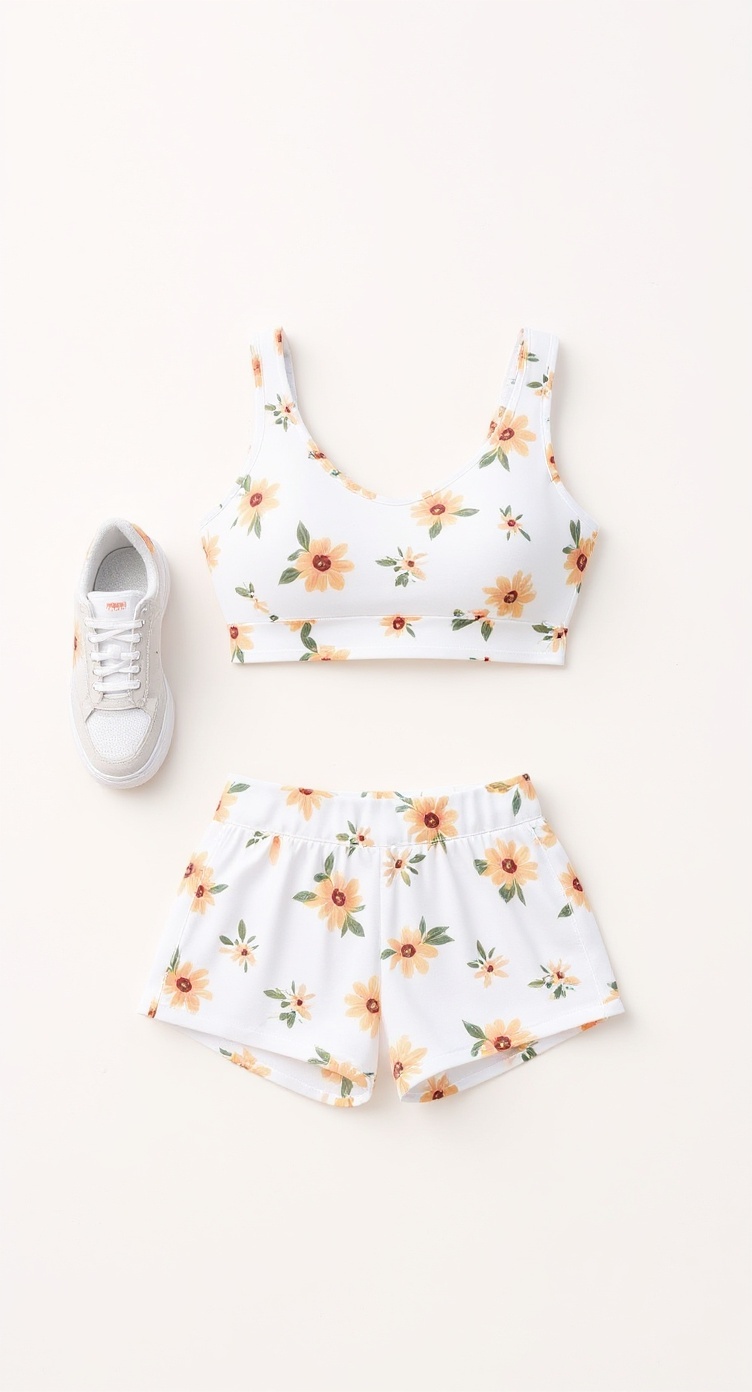
You already have the product photograph — the one on a white sweep that nobody stops scrolling for. Hand it to a character and she puts it on: on a street, in a park, in the light your catalog never had. Same garment, same person, as many shots as the feed needs.

The pipeline is built for a rack, not for one shirt.
One Instagram grid, catalog page or flat-lay of a dozen items is enough. It finds every product in the picture, crops each one out and gives you a row per item to check.
Background and mannequin come off, so what you list is an isolated product shot rather than a screenshot of someone else's page with a neighbouring item in the corner.
One try-on per product, all on the same character, so the collection looks like one shoot instead of a folder of stock people.
Each item is published with its own page, and the collection can be wrapped as a package with one price for the lot and a price per piece.
Not a widget behind a login. Pages a stranger can land on, and a search engine can index.
Search, sort, category filters and pagination, open to visitors with no account. Your own items also get a store page of their own, so you can send traffic to just your catalog.
Open the storeEvery listing gets a shareable URL with its own title, description and preview card — written for it if you don't want to write it — so a link posted anywhere unfurls properly.
Try-ons made from a live product are collected onto that product's page and onto the shop's front wall, so the item is always shown on somebody rather than on a hanger.
Group a folder into one package with a bundle price beside the per-item prices. It gets its own public page and shows what the collection is worth bought piece by piece.
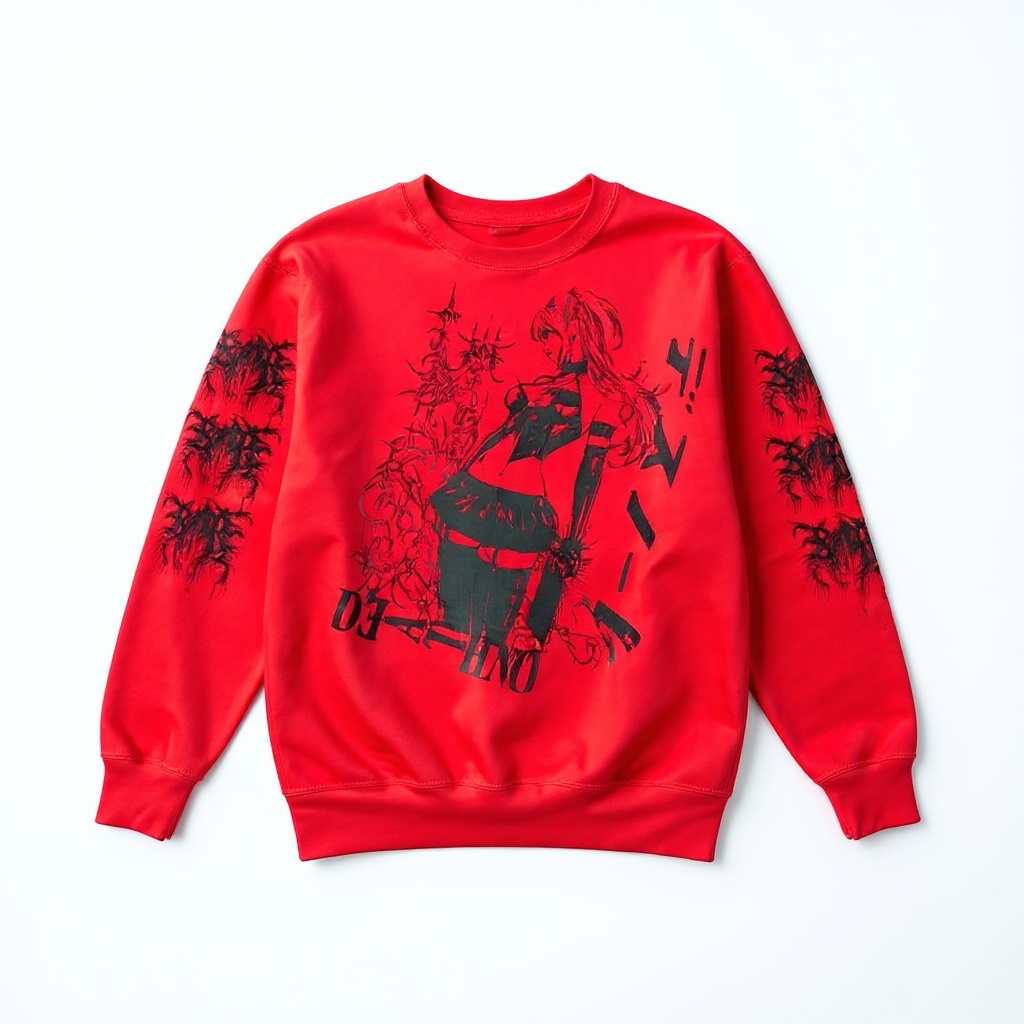

A listing does not have to end on this platform. Mark it as a product that exists in real life, give it your shop URL or your affiliate link, and the page carries a button straight through to it — while the content stays here, working.
They found one character. There is more than one thing they can do about it.
Items are listed from your own products, with per-item stock and a cap on how many one customer can take. Sales and earnings show up on a selling history you can cash in from.
Set a monthly price on a character and mark any post subscribers-only. Locked posts stay in the feed as a blurred preview — the advert for the subscription is the feed itself.
A card payment from the chat or her page, with an optional note. She thanks them herself, in the conversation, a moment later — so the tip is part of the relationship, not a receipt.
For work that isn't a product — a collaboration, a shoot, a retainer — mint a payment link for any amount and send it. It settles on the same rails as everything above.
A character can be locked to a wardrobe you choose — your catalog and nothing else. Ask her for something she doesn't stock and she offers you the nearest thing she does, the way a good assistant would, instead of inventing a product you can't buy.
The whole pipeline — split a catalog photo, publish every item, generate a try-on for each, hand back the shop links — is available as an API call, so a brand's feed can turn into a storefront without anyone opening a dashboard. Aria can walk you through what it needs.
Ask AriaIt is built for people who have them — you upload the product photos you already have and your character models them. If you have none, she can generate the item as well, and it lists exactly the same way.
Yes. Mark a listing as a product that exists in real life and give it your shop URL or an affiliate link. The page then carries a button through to it, and the clicks are counted alongside your sales so you can see both funnels.
Yes. Campaign tags are appended without touching anything the link already carries, so codes and parameters you set survive the redirect.
Public. The storefront, every product page and every package page can be browsed and shared by someone with no account, and they are written to be indexed. An account is only needed to buy.
The shop sells individual items. A subscription is a monthly price on the character herself, which unlocks the posts you marked subscribers-only. Locked posts still appear in her feed as a blurred preview, so the feed advertises the subscription.
A tip is a card payment made from the chat or from her page. It lands in your earnings balance and settles through the platform payout, and your character sends her own thank-you in the conversation.
Yes. Lock her wardrobe to the items you assign and she can only offer those — asked for something outside the catalog, she suggests the closest thing she actually has. Assign a folder rather than single items and anything you add to it later appears in her wardrobe automatically.
No. Import many photos at once, or drop in a single grid or catalog image and it finds each product in the picture, crops it out and gives you one row per item to review before anything is created.
Build the character free, put your products on her, and give the audience somewhere to spend.